
Haitian Wedding Traditions and Photo Timeline in South Florida
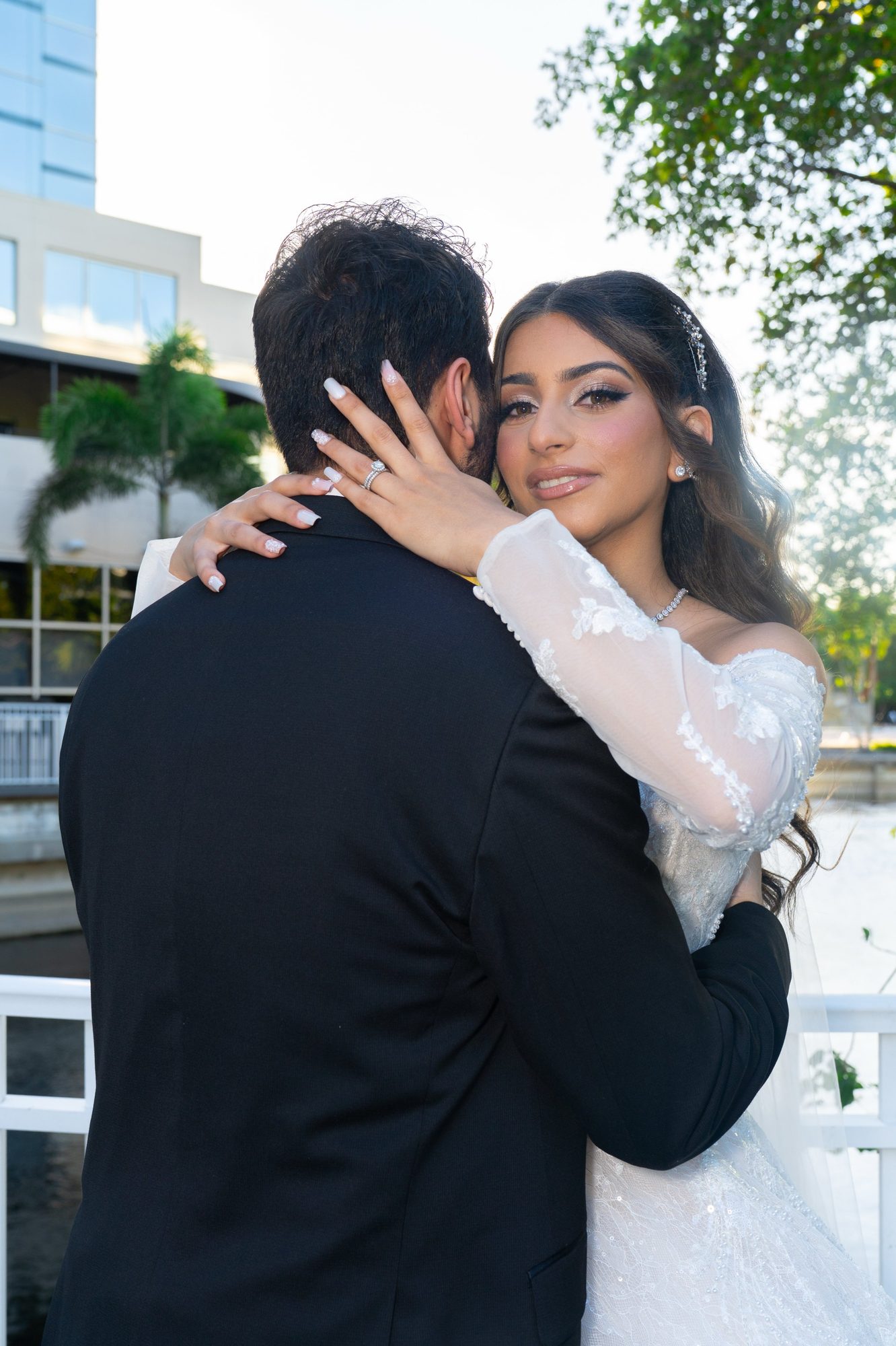
A Haitian wedding in South Florida needs a timeline that respects family, ceremony, language, music, portraits, and the reception energy that often becomes the heart of the night.
Quick answer
- Ask your family which traditions and languages should be expected.
- Confirm ceremony rules early, especially for church weddings.
- Protect extra time for family portraits.
- Add film when prayers, vows, speeches, and music matter.
Begin with your family structure
Haitian weddings are often deeply family centered, but every family handles the day differently. Some couples have a church ceremony, formal portraits, a large reception, speeches, music, and dancing. Others blend Haitian heritage with another culture, a civil ceremony, or a smaller family celebration.
The timeline should reflect your family, not a generic checklist.
Before the wedding day, share the important family roles with your photo and film team. That can include parents, grandparents, godparents, siblings, cousins, close family friends, pastors, and elders who should be treated with extra attention.
The Haitian wedding page is the right starting point for how we approach heritage, family flow, language, and reception coverage.
Protect the ceremony
Many Haitian weddings include a ceremony with strong faith or family meaning. If the ceremony is in a church, ask about the rules early. Some churches limit movement, flash, where photographers can stand, or how film audio can be placed.
The most important thing is respect. A prepared team should document the processional, vows, rings, prayers, reactions, and recessional without becoming a distraction.
Ask these questions before the final timeline:
- Where can photo and film stand?
- Can the team move during the ceremony?
- Is flash allowed?
- Can audio be placed for vows or readings?
- Will there be Creole, French, English, or bilingual moments?
- Can family photos happen at the church after the ceremony?
These answers shape the whole day.
Give family photos real time
Family portraits should not be squeezed into five rushed minutes. For many Haitian weddings, family presence is one of the reasons the day matters.
Make a written portrait list before the wedding. Start with immediate family, grandparents, elders, and anyone traveling from far away. Then add extended groups if the schedule allows.
A strong family photo plan includes:
- A clean location with shade or indoor light
- One family helper from each side
- Older relatives photographed early
- Children grouped before they get tired
- A realistic list that does not turn into a receiving line
The goal is not to make the day feel formal. The goal is to honor family without losing the calm.
Plan for language and speeches
Language can be a meaningful part of Haitian weddings. Some families include Creole, French, English, or a mix across prayers, speeches, songs, and family greetings.
Tell your team what to expect. If a parent, grandparent, pastor, or family member is speaking in a language the team may not understand, that is okay. The team needs to know when it is happening, where to stand, and whether clean audio matters.
Film is especially useful here. A still photo can show the emotion in a room, but film can preserve the sound of a parent blessing, a grandparent speaking, or a room responding to music.
Let the reception breathe
Haitian receptions can move with real rhythm. Dinner, speeches, music, dancing, family greetings, and guest energy may overlap. A rigid timeline can miss the feeling of the night.
Talk with your planner, DJ, band, venue, and photo and film team about the reception flow. Share any music moments, entrances, special dances, family speeches, or surprises.
For dance floor coverage, light matters. The room may be dim, colorful, or fast moving. Your team should be ready with lighting that keeps skin tones clean while still preserving the atmosphere.
Keep the portrait route simple
South Florida traffic and heat can drain a wedding day quickly. If the ceremony, portraits, and reception are in different places, build in more time than the map suggests.
The best portrait plan is often one strong location near the ceremony or reception. Good light, shade, and calm movement are worth more than trying to fit too many stops into the day.
If your wedding is in Miami, Fort Lauderdale, Palm Beach, or Boca Raton, plan around the local realities: valet timing, church rules, ballroom access, family movement, and the final sunset window.
Final thought
A Haitian wedding should feel honored, not managed. When the timeline protects ceremony rules, family portraits, language, music, speeches, and reception energy, the final gallery and film can hold the full story.
If you are planning a Haitian wedding in South Florida, reach out through the contact page and tell us what family roles, traditions, languages, and moments matter most.